Women Who Helped Shape the Italy We Know
From Miuccia Prada to Giorgia Meloni. From art and fashion to politics and cinema.
Every country carries its history through people.
When we think about Italy, we often picture places first. Rome’s streets, the hills of Tuscany, the sea along the Amalfi Coast. But the culture people travel here to experience was shaped slowly by generations of individuals who left their mark on the country.
On a day like today, it feels natural to pause for a moment and look at a few women whose stories helped shape modern Italy.
They worked in different worlds. Cinema, food, politics, art, fashion. Yet together they helped define how Italy is seen both inside the country and far beyond it.
One of the first women to carry the image of Italy across the world came from the south.
Sophia Loren was born in Naples in 1934. Her early life was far from glamorous. Italy was still recovering from the war, and the south faced many difficulties.
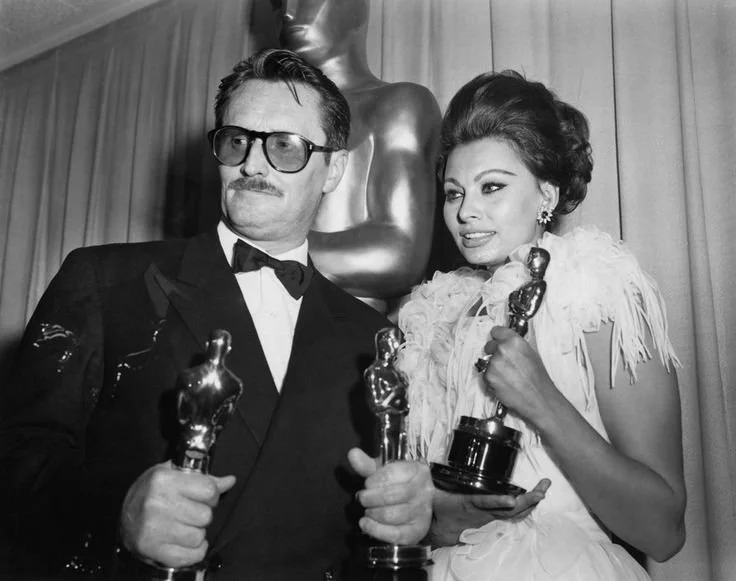
Sophia Lauren wins the Oscar for Best Actress in 1962.
Through cinema, however, Loren became one of the most recognizable faces in the world. Her performance in Two Women earned her the Academy Award for Best Actress, making her the first actor ever to win an Oscar for a role performed in a foreign language.
Beyond awards, what made Loren special was how naturally she carried the spirit of Italy on screen. Strength, warmth, humor, and a deep connection to family life. For many people outside the country, their first emotional impression of Italy came through her films.
Italian culture also traveled through food.
For millions of Americans, the first clear introduction to authentic Italian cooking came through the work of Lidia Bastianich. Born in Istria and later emigrating to the United States, she built restaurants, wrote cookbooks, and hosted television programs that explained Italian cuisine with clarity and respect.
Her approach was simple. Italian cooking begins with ingredients, patience, and traditions passed from one generation to the next.
Through her kitchens and her books, she helped Americans understand that Italian food is not a single cuisine. It changes from region to region and is deeply connected to family life. Her work also helped launch the career of her son, Joe Bastianich, who later expanded Italian restaurant culture in both the United States and Italy through restaurants such as Babbo in New York, his partnership in Osteria Mozza in Los Angeles, and his role in both bringing Eataly to the United States and making Masterchef a TV cult.
Art offers another window into the country’s history.
Centuries ago, long before modern conversations about opportunity and equality, women were already contributing to Italy’s artistic heritage. During the Renaissance, Sofonisba Anguissola gained recognition across Europe for her portraits and eventually worked at the Spanish royal court.
A century later, Artemisia Gentileschi created powerful paintings that remain among the most studied works of the Baroque period.
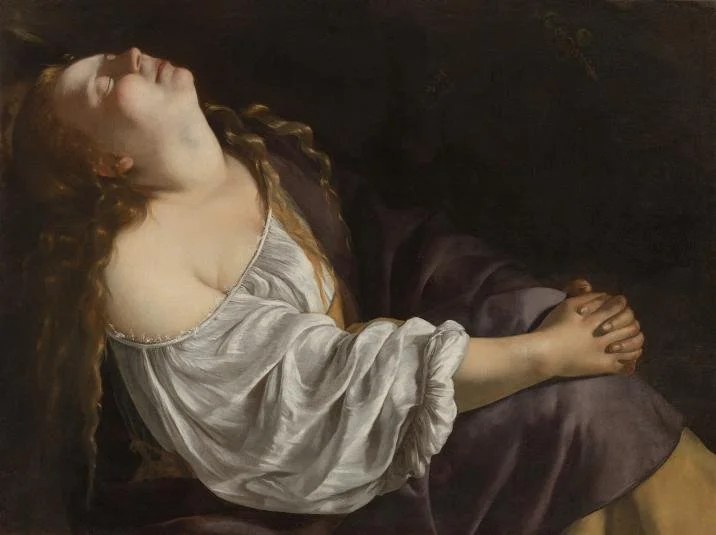
Artemisia Gentileschi’s Mary Magdalene in Ecstasy as seen at The National Gallery of Art in Washington D.C.
Visitors who walk through Italian museums today often stop in front of their paintings without realizing how unusual their careers were for their time.
Modern Italy has also seen women rise to positions of political leadership.
In 2022, Giorgia Meloni became the first woman to serve as Prime Minister in the country’s history. Raised in Rome’s Garbatella neighborhood, she began her political career at a young age and spent decades building experience inside Italian institutions.
Whether people agree with her ideas or not, her election marked an important moment in Italian politics and placed her among the most visible leaders in Europe today.
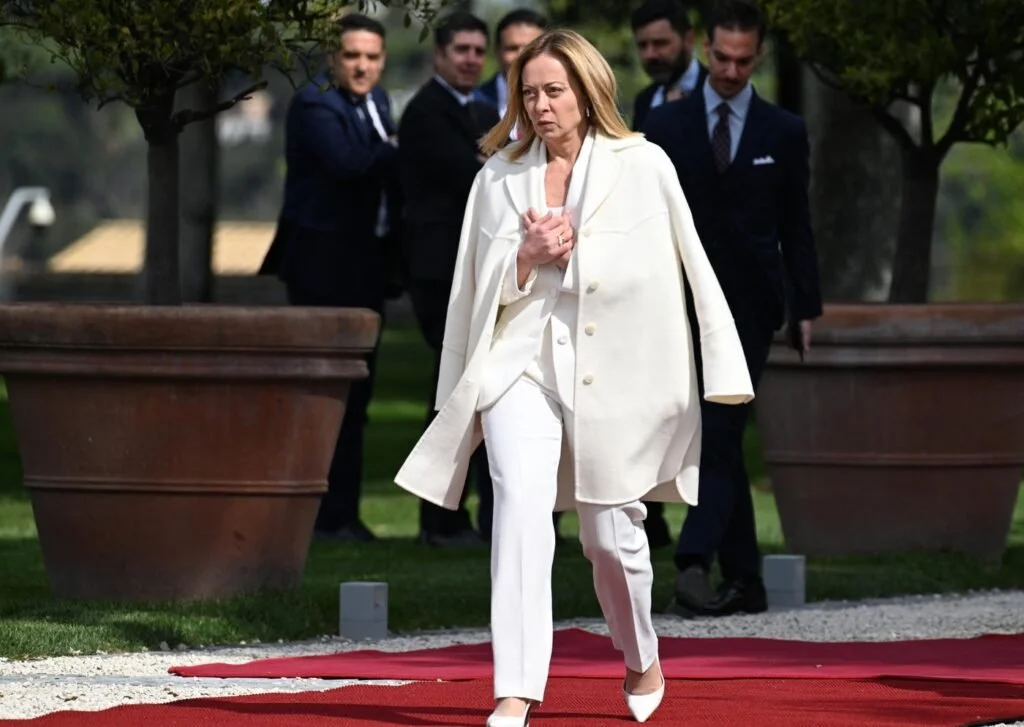
Italy’s Prime Minister, Giorgia Meloni, arriving about to greet King Charles of the UK.
Another world where women played an important role is Italian fashion.
Many of Italy’s most famous fashion houses began as family businesses. Over time, women stepped forward to carry those legacies into new generations.
Donatella Versace continued the vision of Versace and expanded it into one of the most recognizable names in fashion. Miuccia Prada transformed her family’s leather goods company into a global symbol of modern Italian style. And after the death of Salvatore Ferragamo, Wanda Ferragamo guided the company for decades, turning it into an international luxury brand.
Their stories reflect something very familiar in Italy. Businesses often remain within families, and women frequently become the ones who protect and grow those traditions across generations.
Of course, the influence of women in Italy goes far beyond famous names.
In many homes and neighborhoods, women preserve the traditions that visitors admire when they travel here. Recipes passed down through generations. Small businesses kept alive over decades. Families held together through ordinary daily life.
When people visit Italy, they often think they are discovering monuments or landscapes. In reality they are encountering a culture shaped slowly by people.
And many of those stories belong to women.
These are the kinds of stories that make traveling through Italy more meaningful.
If you are ready to plan your own trip, we can help shape a journey built around your interests, the places you want to explore, and the experiences that bring Italy to life.